
Winter Homes for Tiny Heroes: Protecting Overwintering Habitat for Insects
Worldwide insect abundance has declined by about 10% per decade since scientists started carefully measuring it

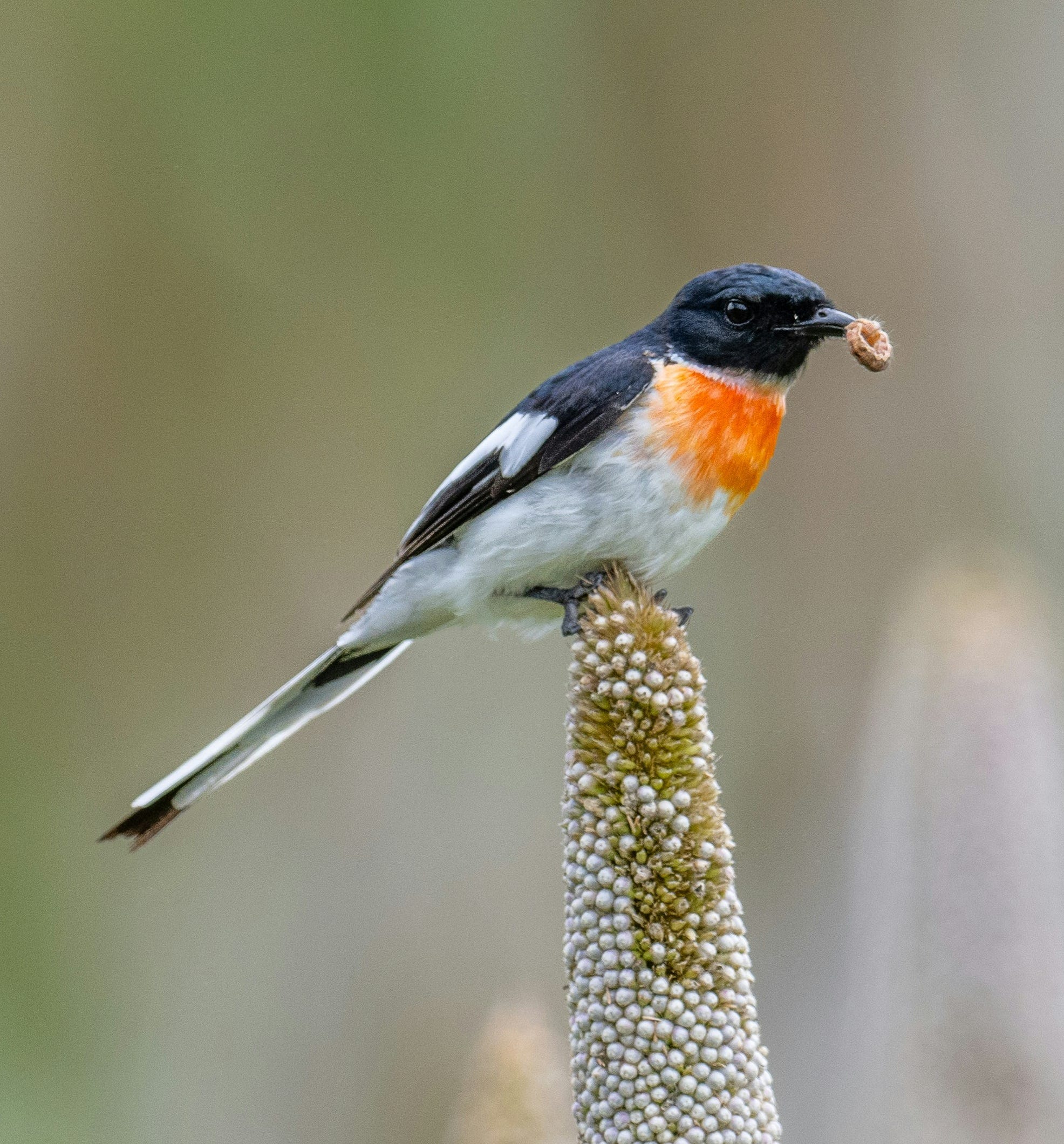
Across North America, some neighbors are diligently devoting resources to neatly bagging every leaf, cutting every stem flush to the ground, and hauling it all to the curb. They’ve created what looks like a “perfect” suburban yard, but they’ve also denied critical habitat to overwintering insects that their local ecosystems desperately need. Meanwhile, other neighbors are leaving strategic piles of leaves beneath shrubs and letting flower stalks stand through winter. Come spring, those “unkempt” yards will buzz with life—pollinators emerging from chrysalises, beneficial beetles crawling from leaf litter, and songbirds feasting on the abundance of insects their messy garden protected.
Which neighbor are you?
With autumn cleanup season in full swing, property owners face a choice that ripples through their entire food web. The decision to “tidy up” a yard or campus isn’t just about aesthetics—it’s about whether next summer brings native pollinators to your flowers, whether chickadees find enough caterpillars to feed their nestlings, and whether your garden ecosystem thrives or struggles. The good news? The lazier approach—doing less fall cleanup—is actually better for biodiversity, easier on your back, and free!
Quick Start: Strategic Laziness for Maximum Impact
Leave leaf layers in garden beds. Instead of removing all your fallen leaves, rake them into four-inch-deep layers in your flower beds, around the bases of trees and shrubs, and in any areas of your yard where you don’t need to walk. These leaf piles provide crucial overwintering habitat for countless beneficial insects. The Nine-spotted Ladybug (Coccinella novemnotata) spends winter as an adult beetle in leaf litter, while walking stick insects (phasmids) drop over 100 eggs from trees that must overwinter in leaves to survive. Luna moths (Actias luna)—those spectacular pale green beauties—overwinter as pupae in cocoons disguised to look like dead leaves. Great Spangled Fritillary butterflies (Speyeria cybele) lay eggs near violets in fall, and the tiny caterpillars that hatch need leaf cover to survive until spring, when fresh violet leaves emerge.
Many native bees, including bumblebee queens, depend on leaf litter for winter insulation as they shelter in loose soil or rotting logs. Without adequate leaf cover, these pollinators cannot survive harsh winter conditions. These aren’t just “bugs”—they’re a foundation of your local food web.
Delay cutting back perennials until late spring. Those dead flower stalks you’re tempted to remove? They’re apartment buildings for native bees. Many species of mason bees (Osmia species) and leafcutter bees (Megachile species) overwinter as larvae inside hollow stems of plants. Swallowtail butterflies (Papilio species) attach their chrysalises to standing stalks, perfectly camouflaged to blend with dead vegetation. If you must tidy your garden, cut stems to at least eight inches high rather than at ground level, giving stem-nesting insects safe homes.
Wait to do spring cleanup until you see sustained daytime temperatures in the 50s°F (10°C) range and native plants beginning to leaf out—ideally, wait until apple trees are blooming in your area, as this signals that most overwintering insects have already emerged.
Create a designated “wild zone.” Even a small corner of your yard left intentionally messy provides disproportionate benefits. Pile leaves raked from walkways and driveways into these areas rather than bagging them. Add fallen branches and twigs—mourning cloak butterflies overwinter as adults in wood piles and between loose bark. Many lacewings and lady beetles (which devour aphids in summer) seek small crevices between rocks or wood for winter shelter.
Understand what you’re protecting. Ninety-six percent of terrestrial bird species rear their young on insects, and caterpillars are the most critical food source. A single clutch of chickadee nestlings requires over 5,000 caterpillars to fledge successfully. Research shows that chickadees strongly prefer to forage on native trees over non-native species—in fact, non-native trees support so few caterpillars that to parent birds, it’s almost as if those trees don’t exist at all. When you think about protecting overwintering insects, think about protecting the entire food chain, from soil invertebrates to native plants to the songbirds that brighten your mornings.
Intermediate: Strategic Habitat Creation
Practice selective leaf management. Not all areas need the same treatment. Keep walkways, patios, and high-traffic lawn areas clear for safety and function. But in garden beds, under shrubs, and along fence lines, maintain that four-inch leaf layer through winter. If you’re concerned about smothering grass, rake early leaf falls off the lawn (when grass is still growing) but leave later leaves (when grass is dormant) where they land—or better yet, start converting some lawn areas to more productive habitat.
Shredding leaves is a great way to make compost, but set aside unshredded piles specifically for insect habitat. Avoid shredding those leaves with a mower, as this destroys eggs and pupae already present and reduces the insulating value of the leaf layer.
Create stem corridors. Cut last year’s perennial flower stalks at varying heights between 12 and 24 inches, bundle them loosely, and place these bundles in less visible areas of your garden. These provide additional nesting sites for spring-breeding native bees. Good candidates include stems from bee balm, Joe Pye weed, cup plant, ironweed, and native sunflowers—all these plants have pithy or hollow stems that bees can excavate for nests.
Plant fall seedlings strategically. Autumn is actually the best time to establish native plants that will support insects year-round. From mid-August through mid-October, soil temperatures remain warm enough for vigorous root growth while cooler air temperatures reduce stress on new plantings. Native trees and shrubs planted in the fall develop strong root systems over winter, giving them a jump-start on growth when spring arrives.
Focus on keystone species—plants that support the most insect biodiversity. In eastern North America, native oaks support over five hundred species of caterpillars, while non-native trees like Bradford pear support fewer than ten. Native willows, cherries, birches, and poplars are also exceptional insect hosts. Even a single native tree can make a dramatic difference in your yard’s ecological value.
Add overwintering structure diversity. Beyond leaves and stems, create varied microhabitats. Place flat stones in garden beds—many ground beetles and spiders shelter beneath them. Leave a small brush pile in an out-of-the-way corner where mourning cloak butterflies and other species can find protection. If you have dead trees or large branches that aren’t hazardous, consider leaving them standing or on the ground—they provide habitat for countless insects, including those that excavate tunnels later used by native bees.
Advanced: Converting Lawn to a Year-Round Insect Haven
Design your native landscape transition. Fall is the ideal season to begin converting lawn areas to native plantings. An easy approach is gradual rather than sudden—start with eliminating 10% of your lawn area, creating islands or borders of native plants that can expand over time. Begin by selecting planting areas based on sun exposure, moisture conditions, and your goals. Full-sun areas are ideal for prairie plants and meadow gardens. Partial shade works well for woodland edge species. Deep shade beneath existing trees supports woodland wildflowers and ferns.
Time your fall planting window correctly. The optimal fall planting period runs from early September through mid-October in most temperate regions, though timing varies by climate zone. As climates warm, this planting period extends later into the fall. You’ll see the best results if you allow plants at least six weeks (preferably eight) to establish roots before the ground freezes.
In warmer southern regions, you can plant even later into November or even December. Fall planting gives trees and shrubs time to develop roots during the dormant season, so they’re better prepared to handle next summer’s heat and drought stress. Container-grown native plants establish easily in the fall because they already have developed root systems and just need time to extend those roots into the surrounding soil.
Choose your planting approach. For converting larger lawn areas, you have several options:
Smother method: In late summer or early fall, cover the lawn area with multiple layers of cardboard or several sheets of newspaper, then top with four inches of mulch, compost, or shredded leaves. By spring, the grass beneath will be dead, and you can plant directly through the decomposing material. This works well for areas you want to plant the following spring.
Fall preparation for spring planting: Remove sod in the fall (offer it to neighbors or use it to patch bare areas elsewhere), incorporate compost into the soil, then plant immediately or wait until spring. Fall soil preparation means weeds have less opportunity to establish before spring planting.
Direct fall planting: For immediate results, remove sod, prepare the soil, and plant container-grown natives immediately. Water deeply and mulch well. These plants will establish roots all fall and winter.
Select plants that provide year-round insect support. Choose a diverse mix of native species that offer resources across all seasons:
Spring nectar sources: Serviceberry, redbud, wild plum, and early wildflowers like wild columbine
Summer host plants: Native milkweeds (for monarchs), violets (for fritillaries), native grasses (for many skipper butterflies)
Fall nectar sources: Asters, goldenrods, Joe Pye weed, ironweed
Winter structure: Coneflowers, black-eyed Susans, little bluestem grass—all provide seeds for birds and stems for nesting bees
Create a layered habitat structure. The most biodiverse yards include plants at multiple heights: groundcovers, herbaceous perennials, shrubs, and trees. This vertical diversity provides different microclimates and resources. Native groundcovers like wild strawberry, creeping phlox, or green-and-gold can replace lawn in low-traffic areas while supporting ground-nesting bees. Mid-height native perennials provide nectar and pollen. Shrubs offer nesting sites for birds and shelter for butterflies. Trees serve as the foundation, supporting hundreds of caterpillar species that feed baby birds.
Expert: Community-Scale Habitat Restoration
Organize neighborhood habitat initiatives. Individual yards become exponentially more valuable when connected to other native landscapes. Work with neighbors, churches, and schools to create habitat corridors—continuous strips or networks of native plantings that allow insects and other wildlife to move safely through communities. Start with interested neighbors and expand gradually. Share plant divisions, coordinate on bulk purchases of native plants to reduce costs, and celebrate successes together.
If your neighbors know about “No Mow May,” transition that idea to year-round habitat management. While No Mow May has helped raise awareness about pollinators, healthy ecosystems require year-round care, not just one month of delayed mowing.
Advocate for institutional grounds management changes. If you’re affiliated with schools, churches, businesses, or public institutions, advocate for native plantings on those properties. Institutional grounds represent enormous potential habitat—and maintenance savings. Many universities and municipal parks have successfully reduced mowing costs and converted lawn areas to native meadows, saving money while dramatically increasing biodiversity.
Approach facilities managers with data showing cost savings from reduced mowing and the public relations value of visible conservation efforts. Offer to help identify low-use areas suitable for conversion and connect them with native plant suppliers.
Promote science-based habitat policy. Work with your local government to update landscaping ordinances that currently discourage native landscapes. Many communities have outdated regulations that essentially mandate ecological deserts. Advocate for “right-to-garden” ordinances that protect your ability to establish and maintain native landscapes, even if neighbors complain.
Launch community education programs. Most people don’t know about overwintering insects and their importance. Create educational signage for community gardens or parks explaining why some areas are intentionally left “messy” through winter. Host spring workshops timed with native plant sales, showing participants exactly what emerged from leaf litter and standing stems. When people see mourning cloak butterflies (Nymphalis antiopa) basking in early spring or watch native bees emerge from last year’s flower stalks, the abstract concept of “overwintering habitat” becomes tangible and compelling.
The Interconnected Web We’re Protecting
Every decision about fall cleanup affects vital creatures most of us never see. When you leave those leaves, you’re protecting the pill bugs that decompose organic matter, returning nutrients to the soil. You’re sheltering the spiders that will control pest populations next summer. You’re preserving the native bees—over 70% of which nest in the ground and depend on leaf litter for insulation.
These seemingly insignificant creatures provide essential ecosystem services, including pollination, nutrient cycling, and natural pest control. When insect populations decline, the effects cascade through entire food webs. In Europe, over the past 30 years, declines in bird populations have been attributed to a scarcity of insects.
Yet here’s the encouraging news: you can make a measurable difference right in your own yard. Studies show that planting just 10% of your yard with native species can boost pollinator populations by 50%. Every leaf pile you create, every stem you leave standing, and every native plant you add contributes to reversing the biodiversity crisis.
Your Overwintering Habitat Challenge
This weekend, commit to one act of strategic laziness. Rake those leaves into your garden beds instead of bagging them. Leave those flower stalks standing. Mark off a small corner of your yard as a “wild zone” where natural processes can unfold undisturbed.
The insects overwintering in your yard may be out of sight, but their fate shouldn’t be out of mind. These creatures are nature’s unsung heroes, and your yard can be their sanctuary. Next spring, when you see that first butterfly, hear that first robin, or watch native bees visiting your flowers, you’ll know that your decision to leave the leaves made it possible.
References and Resources
Related One Step This Week Articles
Fall Gold: Turn Your Leaf Pile Into Next Year’s Garden Treasure - Composting fallen leaves for soil improvement
Transform Your Lawn into a Pollinator Paradise - Converting lawn to native habitat
Go Native: Transform Your Yard for a Healthier Landscape - Native plant landscaping fundamentals
Scientific Research and Educational Materials
Penn State Extension: Insect Life Under the Leaves - Comprehensive overview of overwintering insects and their needs
Penn State Extension: Delay Garden Cleanup to Benefit Overwintering Insects - Specific timing guidance for spring cleanup
University of Illinois Extension: Leave Overwintering Habitat for Beneficial Insects - Detailed identification of species that benefit from fall habitat
Xerces Society: Leave the Leaves - Comprehensive pollinator conservation guidance
Xerces Society: Leave the Leaves - These Invertebrates Depend on It - Profiles of specific insects that need leaf litter
Vermont Center for Ecostudies: Leaf it Be - Practical guidance on leaf management with regional focus
Native Plants and Habitat Creation
National Wildlife Federation: Chickadees Show Why Birds Need Native Trees - Research on native plants and bird food requirements
Grow Native!: Native Landscape Care Calendar - Month-by-month guidance for native landscape management
Direct Native Plants: When is the Best Time to Plant? - Fall planting advantages explained
UMass Extension: Fall Planting for Trees & Shrubs - Technical planting guidance for northeastern gardens
Insect Decline Research
Worldwide Decline of the Entomofauna (Biological Conservation, 2019) - Comprehensive global review of insect declines
More than 75% Decline in Flying Insect Biomass (PLOS ONE, 2017) - German protected areas study showing 76% decline over 27 years
PNAS: Insect Decline in the Anthropocene - Analysis of multiple stressors driving insect population declines
Bird and Wildlife Resources
Gardener’s Supply: How to Attract Bug-Eating Birds - List of insect-eating birds and their prey preferences
Home & Roost: Which Birds Eat Insects? - Information on bird dietary needs and seasonal changes